


Behringer SP1200X: What We Know So Far

Introducing Behringer's $200 SP1200 Sampler, Lets talk about it.
Behringer's announcement is short, Heres major talking points: the SP1200X, the target price, and the intention to make the project open source.
A tribute to the E-mu SP-1200
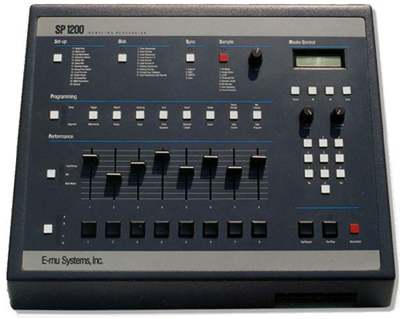
Behringer describes the SP1200X as its tribute to the legendary E-mu SP-1200.
That places the project firmly in the tradition of classic sampling hardware and immediately connects it to a piece of equipment with a strong cultural identity.
Until Behringer publishes detailed specifications, producers should avoid thinking that the SP1200X will reproduce every aspect of the original SP-1200's architecture, workflow, sound, or hardware layout.
The important question is what Behringer ultimately chooses to preserve.
Will it focus on a recognizable 12-bit-style sound? Will it prioritize hands-on sampling and sequencing? Will it offer modern conveniences while retaining the limitations that made the original so influential?
Those details will determine whether the SP1200X becomes a practical production tool or primarily a nostalgic piece of gear.
For now, the announcement establishes the inspiration, not the complete feature set.
A target price of just $200
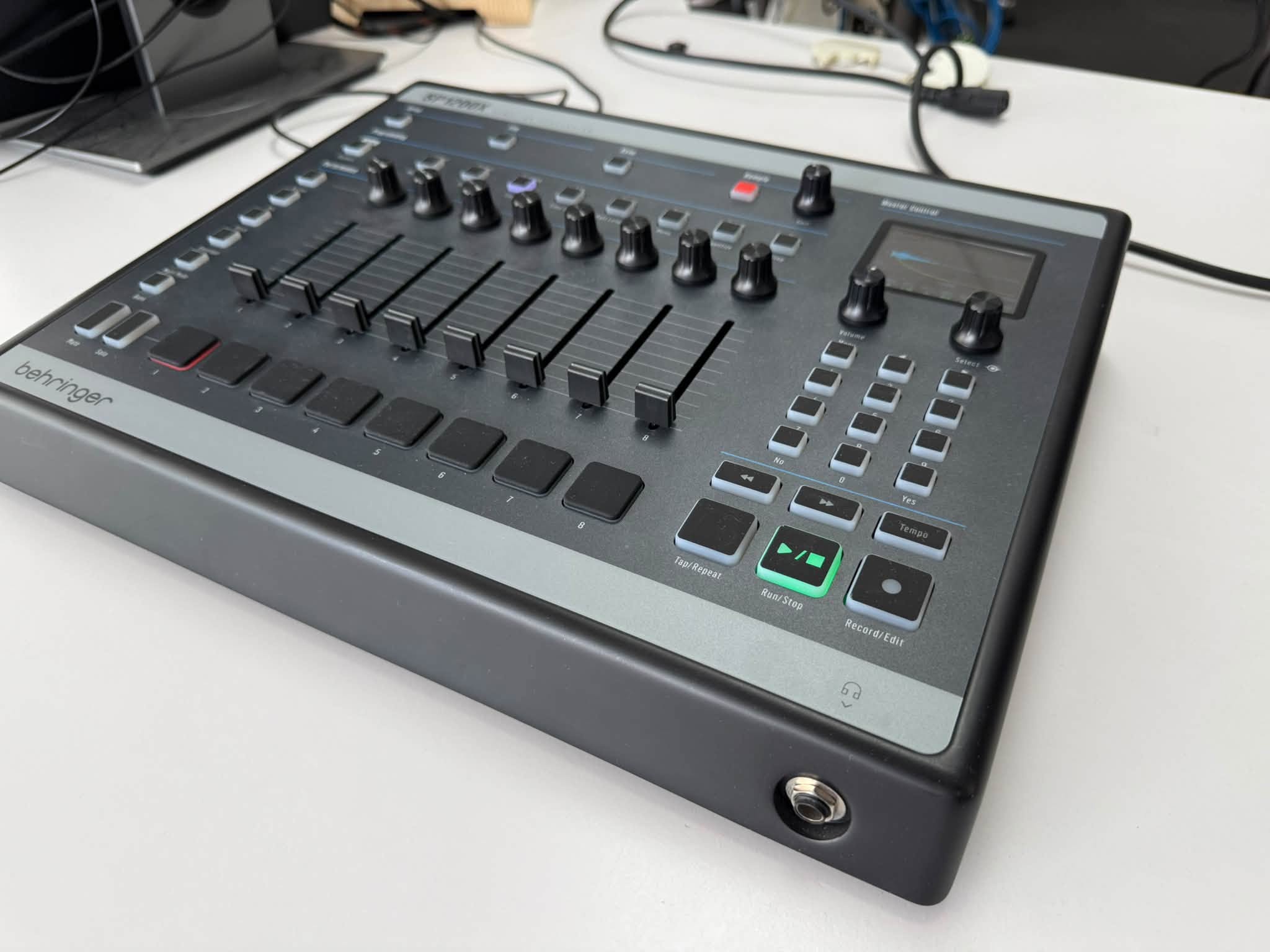
This is the detail that makes the announcement especially interesting.
Behringer says it is aiming for a price of around $200.
That is a target, not a confirmed final retail price. The company has also stated that the instrument remains in development, so pricing, availability, and specifications could change.
Even with that qualification, the ambition is significant.
Vintage SP-1200 units have long occupied a different price category from affordable entry-level production equipment. Their collectability, historical importance, condition, and limited availability can make acquiring an original machine a substantial investment.
A new, affordable alternative could offer a different route into the SP-inspired workflow.
Instead of saving for a vintage collector's instrument, a producer might be able to put that money toward a sampler designed around similar creative ideas.
Imagine a young beatmaker with a record collection, a pair of headphones, and a modest budget. They might already have a laptop and a free DAW, but they've always wanted to experiment with the tactile, sample-first approach associated with classic hardware.
At a target price of $200, the SP1200X could become an attainable addition to that setup—if the final product delivers the functionality and sound that producers are hoping for.
The price alone won't make it a great sampler. Build quality, usability, sound, reliability, and the actual workflow will matter just as much.
But accessibility is a powerful starting point.
An open-source approach
The third part of the announcement might be the most intriguing.
Behringer says it intends to make the SP1200X open source.
That statement raises a fascinating possibility: a sampler whose development can extend beyond the manufacturer's initial vision.
Open-source projects can allow users and developers to inspect, modify, improve, and share parts of a project's software or design, depending on the specific license and materials released.
For music producers, this could create opportunities for experimentation that are less common with closed commercial instruments.
However, Behringer has not yet specified exactly what will be open source, which license will apply, or whether the release will include firmware, software, hardware designs, or some combination of these.
Those distinctions matter.
An open-source firmware project is not necessarily the same thing as an entirely open hardware design. Nor does the phrase automatically mean that every component, manufacturing file, or proprietary element will be freely modifiable.
The details will determine the real possibilities.
Still, the idea is exciting. If the project gives developers meaningful access to the relevant code or design files, the sampling community could potentially explore new features, alternative workflows, and community-created improvements.
For a culture built on taking existing sounds and transforming them into something personal, that philosophy feels especially appropriate.
Open Source and Hip-Hop: A Natural Connection?
The open-source element of Behringer's announcement deserves serious attention.
At first glance, open-source development and classic sampling hardware might seem like two separate subjects. One is associated with software, code, and collaborative development. The other is associated with records, drum machines, and beatmaking.
But there is a connection.
Hip-hop production has always involved reinterpreting existing material, sharing techniques, developing new approaches, and finding creative uses for tools that were never designed for every purpose producers eventually discovered.
Open-source development can encourage similar experimentation
What open source could mean for producers
The practical benefits depend on exactly what Behringer releases.
If the company provides modifiable firmware under an appropriate open-source license, developers might be able to investigate new features or build alternative versions.
Depending on the architecture and licensing, community contributions could potentially explore:
- Additional sample-editing options.
- Alternative sequencing approaches.
- New user-interface features.
- Experimental sound-processing modes.
- Improved workflow shortcuts.
- Tools for organizing or transferring samples.
- Community-developed utilities for producers.
These are possibilities, not confirmed SP1200X features.
The actual opportunities will depend on the available source code, hardware documentation, licensing conditions, development tools, and technical limitations.
Why Boom Bap Producers Should Be Paying Attention
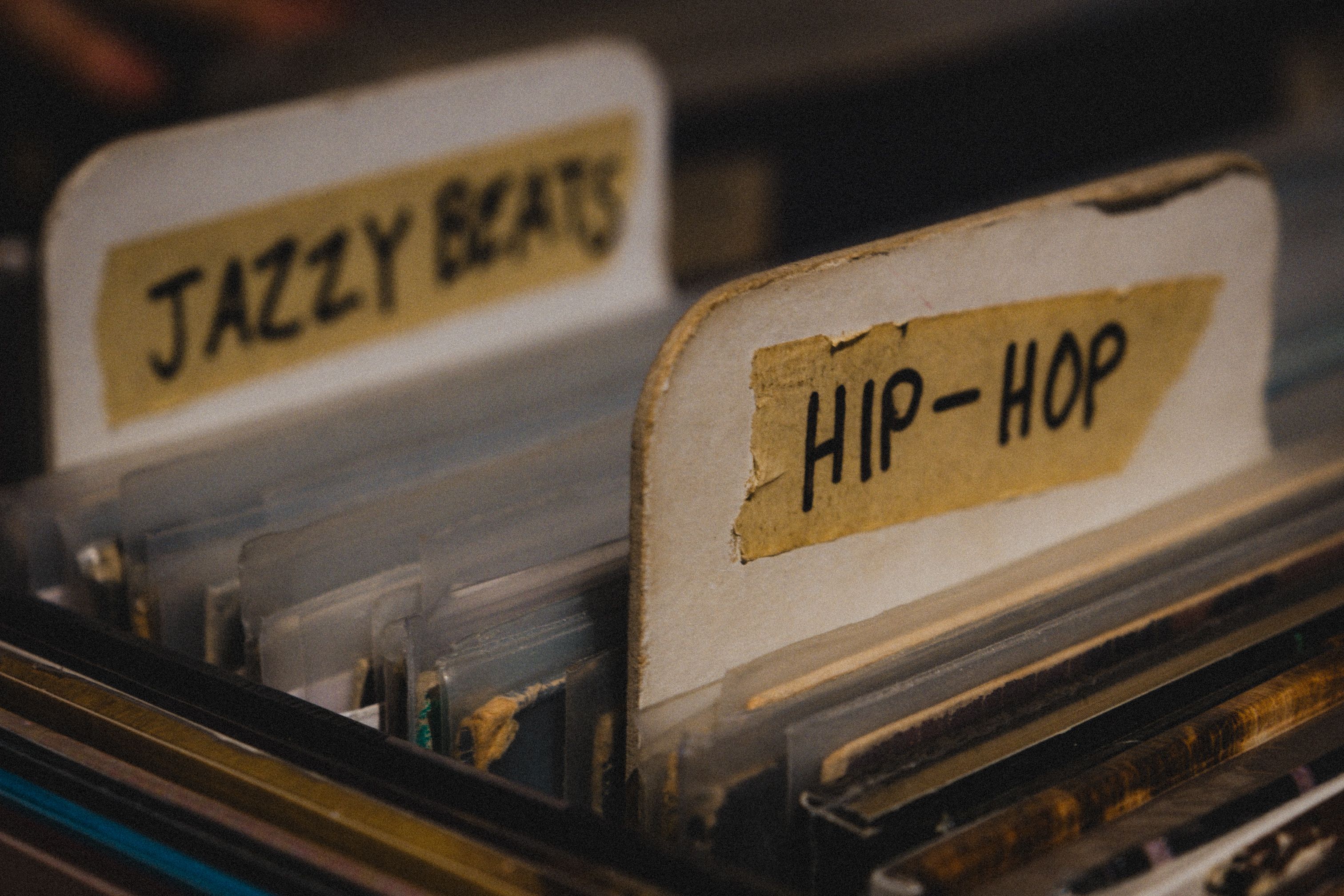
Boom bap is more than a drum pattern.
It's a sound rooted in rhythm, texture, swing, sample selection, and the art of making a small collection of sounds feel enormous.
From dusty jazz loops to chopped soul records, from raw funk breaks to horn fragments, boom bap thrives on the transformation of existing material.
The sampler sits at the center of that process.
A great boom bap beat doesn't necessarily need a huge number of tracks or the latest software instrument. Sometimes all it takes is a memorable sample, a few one shot drums, a bass line, and the right arrangement.
That is why a potential $200 SP-inspired sampler has such an interesting place in the conversation.
Can the SP1200X recreate the original sound?
LAERGE PROFESSOR BELOW
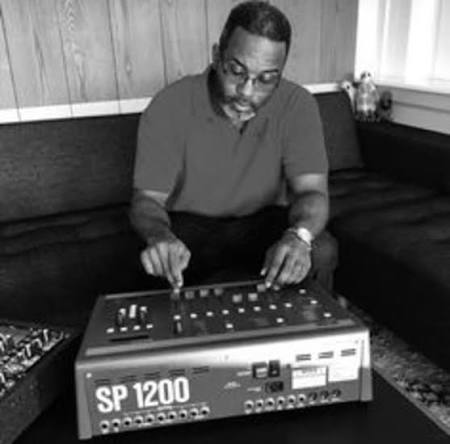
That is one of the biggest unanswered questions.
Behringer has described the SP1200X as a tribute to the SP-1200, but the announcement does not establish the final sampling architecture or confirm that the device will reproduce the original's exact sonic behavior.
The project might use dedicated hardware, digital
emulation, a combination of techniques, or another approach entirely. Without confirmed specifications and independent listening tests, its just a claim.
Will it deliver a convincing low-resolution sampling character?
Will it make pitching, chopping, and sequencing intuitive?
Those are the details worth watching.
Why a $200 Hardware Sampler Could Matter So Much
Let's talk about money.
Vintage hardware has a particular appeal. Original instruments carry history, and for some producers, owning the exact machine used by their heroes is part of the dream.
But vintage equipment also comes with real world challenges.
Prices can be high. Availability can be unpredictable. Repairs may require specialist knowledge. Components age, displays fail, buttons wear out, and older machines may need maintenance to remain reliable.
For producers who simply want to make music, those factors can create a significant barrier.
That's where an affordable modern tribute could make a difference.
A target price of $200 would place the SP1200X in a very different conversation from many sought-after vintage samplers.
It could become a realistic option for a student, a beginner beatmaker, a DJ who wants to explore production, or an established producer looking for another creative tool.
Of course, the final price and actual capabilities remain unconfirmed. A $200 target does not guarantee that the finished product will arrive at that price or include every feature producers hope to see.
Reliability and build quality
Affordable gear needs to be dependable.
A low price is attractive, but producers still need controls that work consistently, stable software, sensible sample management, and a design that can handle regular use.
For a sampler intended to inspire hands-on beatmaking, the physical experience matters.
The pads, buttons, display, encoders, and overall layout can influence how quickly ideas become music.
An affordable instrument that feels good to use could be more valuable than a technically impressive device that constantly interrupts the creative process.
The next generation of sample heads
For younger producers, classic sampling hardware can sometimes feel like a distant part of music history.
They may have heard the results without ever touching the instruments that helped create them.
An affordable SP1200-inspired sampler could give a new generation an opportunity to explore those techniques directly.
That matters because sampling is learned through practice.
You learn how to recognize a useful phrase by listening to records. You learn how to create a clean loop by trimming the right points. You learn how pitch changes affect mood and rhythm. You learn how a snare sits against a kick and how a tiny timing adjustment can change the entire groove.
These skills don't belong to one era.
They remain useful whether you are producing on vintage hardware, modern hardware, or software.
What to Look for When Behringer Reveals More Details
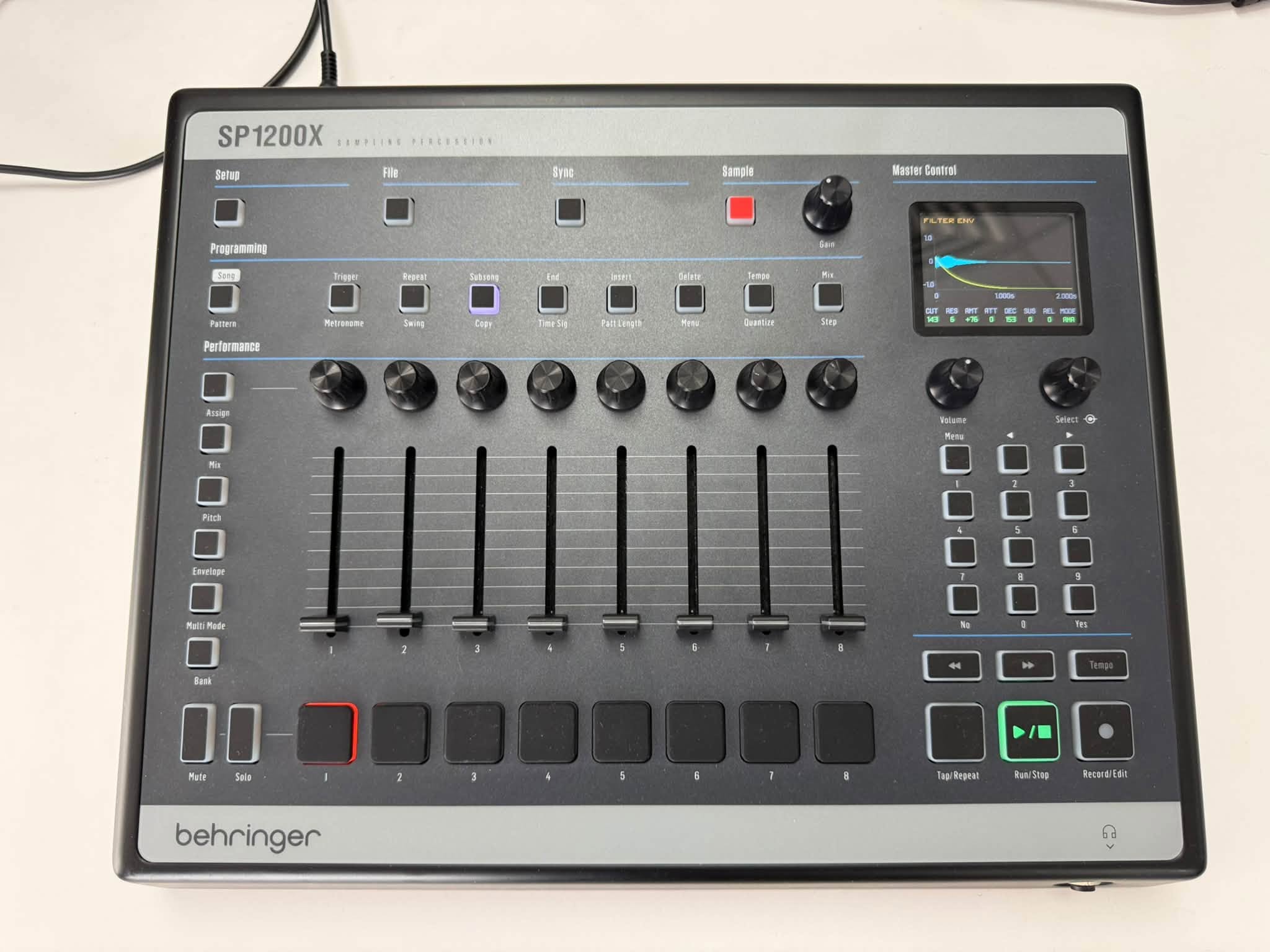
Until Behringer publishes a complete specification sheet, there are several important questions that producers should keep in mind.
Sampling time and memory
The original SP-1200's limited sampling time was a defining part of its workflow.
Will the SP1200X offer a similar constraint, a larger amount of memory, or selectable operating modes?
Each approach would appeal to different producers.
A tightly limited sampler could encourage a focused, vintage-style workflow. More memory could make it easier to work with longer phrases and modern recording techniques.
Neither option is inherently better.
Sampling resolution and sound character
This is likely to be one of the most closely watched aspects of the instrument.
Producers will want to know how the SP1200X handles sample rate, bit depth, pitch changes, filtering, and playback.
The exact architecture will determine how closely its sound resembles the original SP-1200 and what other sonic possibilities it offers.
Until those details are confirmed, claims about identical sound should be treated cautiously.
Sequencing and performance controls
A sampler is not just about recording audio. It is also about turning that audio into music.
Producers will want to understand how patterns are created, edited, triggered, and arranged.
The physical interface will matter here.
A well-designed sequencer can make it easy to capture rhythmic ideas before they disappear. A confusing interface can interrupt the process and make even simple tasks frustrating.
Sample transfer and storage
Modern producers often move audio between multiple devices.
This sampler may need to exchange files with a computer, work alongside external hardware, or provide a convenient way to back up projects.
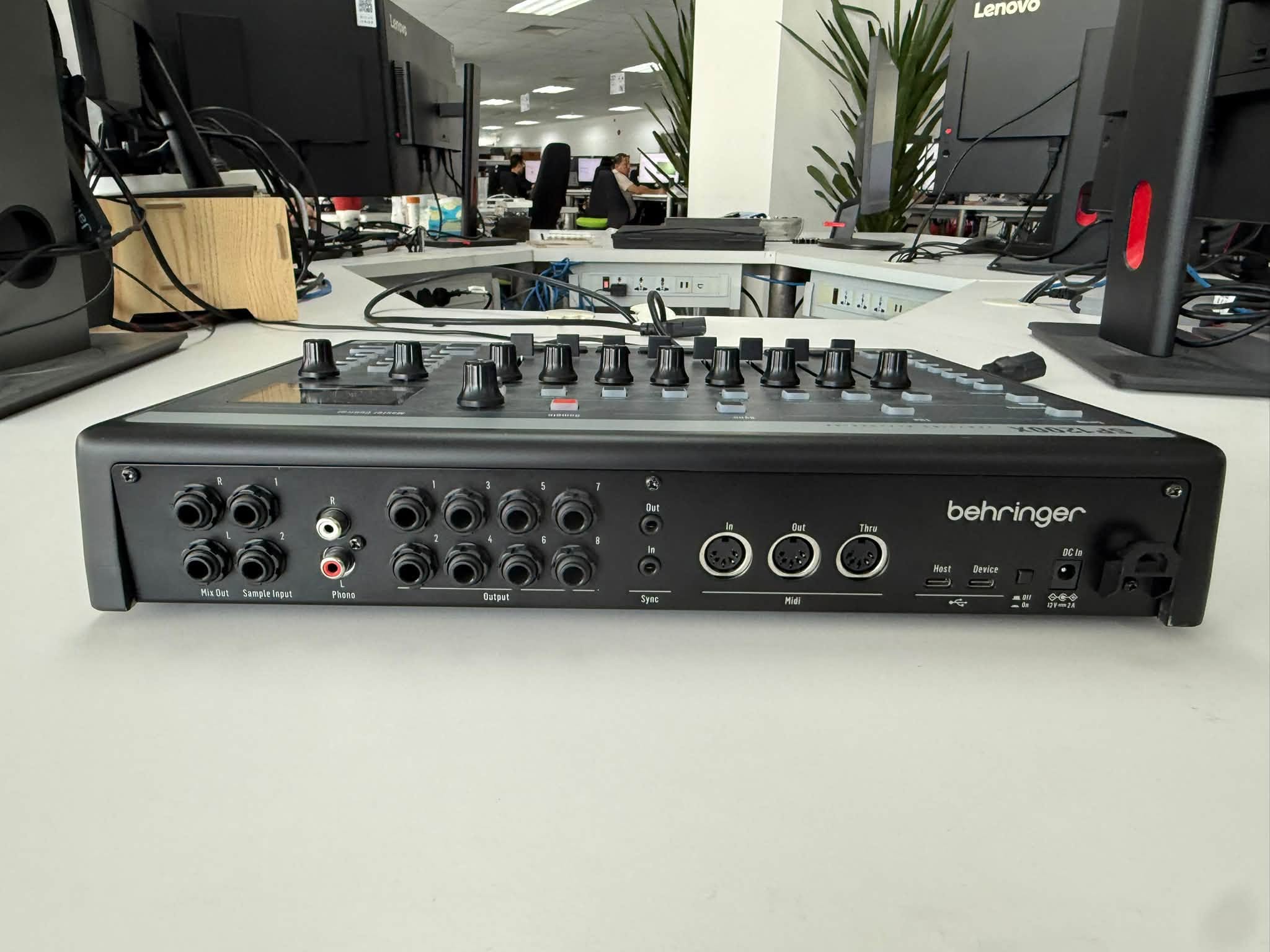
Behringer has not yet confirmed the SP1200X's storage and transfer options in the announcement.
These details will help determine how easily the instrument fits into different studios.
Connectivity and synchronization
MIDI, clock synchronization, audio connections, and other forms of connectivity can affect how a sampler works with the rest of a setup.
Producers who prefer standalone beatmaking may have different requirements from those building hybrid hardware-and-software studios.
The SP1200X's confirmed connections and synchronization capabilities will therefore be important considerations.
What Would Make the SP1200X a Must-Have for Sample Enthusiasts?
The announcement has already generated an appealing concept: classic sampler inspiration, a target price of $200, and an open-source ambition.
But concepts become instruments only when the details come together.
For the SP1200X to become a serious option for sample enthusiasts, several things would need to work in its favour.
Recording, trimming, pitching, and manipulating sounds should be intuitive enough to support creative momentum.
The sonic character needs to be on par. It doesn't have to reproduce every technical detail of the original SP-1200, but it should offer a clear musical identity that producers appreciate.
The workflow should make sense. A sampler that is frustrating to operate can undermine the very creativity it is supposed to encourage.
The device needs to fit the way modern producers work, whether that means standalone operation, computer integration, external synchronization, or some combination of approaches.
The open-source promise needs to be clearly defined. A meaningful release of code or design documentation could create opportunities for experimentation, but those possibilities depend on the actual license and materials made available.
Finally, the product needs to deliver reliable performance at a price that makes sense.
If those elements come together, the SP1200X could become an interesting instrument for a wide range of musicians.
Final Thoughts: Could Behringer Bring the SP1200 Spirit to a New Generation?
The E-mu SP-1200 helped establish a creative language that continues to influence hip-hop producers today.
Its importance comes from more than its age or technical specifications. It represents a particular relationship between the producer, the sample, and the beat.
Listen. Find the sound. Make the cut. Flip the sample, build the rhythm. Trust your ears.
For the underground beatmaker working through a stack of records, the bedroom producer chasing the perfect dusty loop, or the hardware enthusiast who still believes that a great beat starts with a great sample, the SP1200X represents a possibility.
It was about what you could do with a few seconds of sound.
And that is a tradition worth keeping alive.Keep digging. Keep chopping. Keep making beats.