


The MPC is opening its doors to a new world of possibilities. Custom plugins, community-driven development, AI-assisted tools and exciting new sound-shaping possibilities are all part of Akai's latest announcement.
Akai has taken the community by storm, in a direction more than just making beats. From sampling and sound design to custom workflows and creative experimentation, Now it looks like MPC users will be able to have a culture around pushing their machines beyond their original limitations.
In a new announcement presented by Andy Mack from Akai Pro, the company has revealed MPC firmware version 3.10.1, alongside a new direction for software development across the MPC and Force platforms.
This could be one of the more interesting developments in the MPC ecosystem in recent years.
Let's look at what's coming and why it matters for beatmakers, producers and the MPC Gang.
1. A new approach to AKAI MPC development
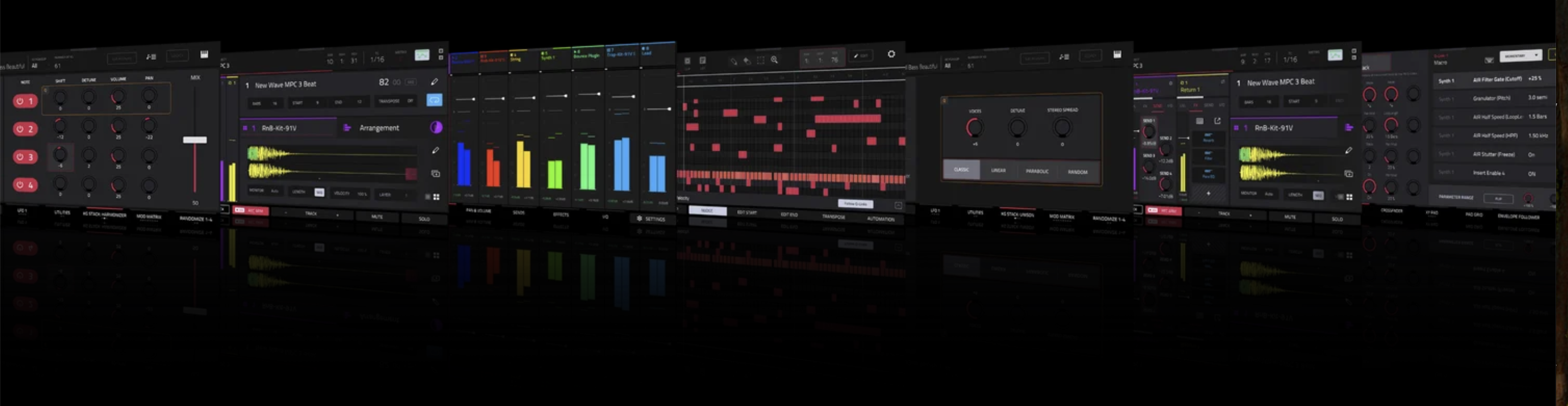
One of the biggest topics in Akai's announcement is how software development is changing.
Traditionally, developing factory firmware for a new product could take up to 18 months. Even relatively small updates could take between six months and a year to develop, test and release.
But with the arrival of AI-assisted development tools, Akai sees an opportunity to speed up parts of this process.
The real advantage is being able to explore new ideas, develop features and bring improvements to users much faster.
For MPC owners, this could mean more frequent updates and a shorter wait between new ideas and usable features.
2. MPC 3.10.1 opens the door to custom plugins
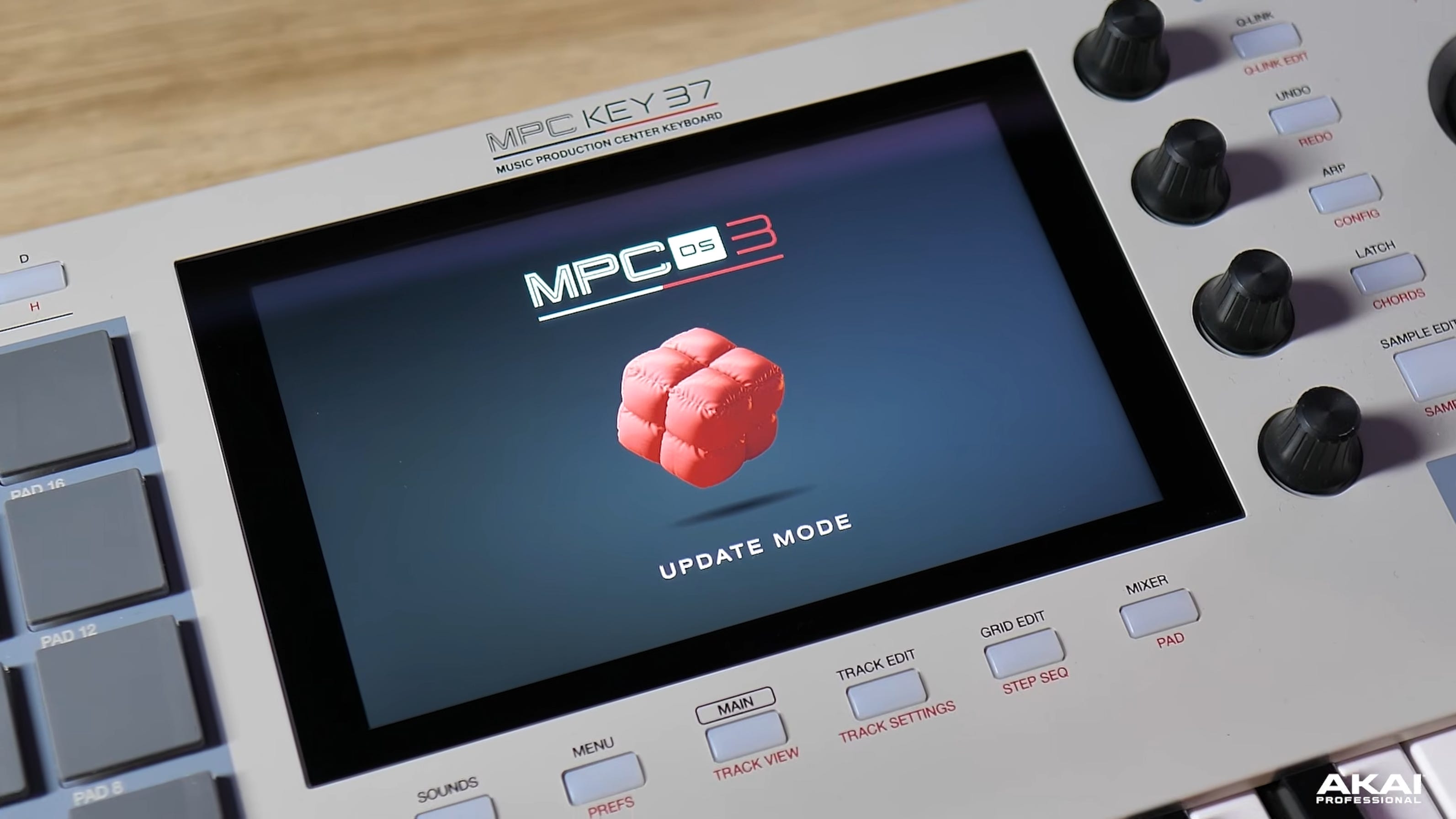
This is arguably the biggest announcement so far.
With firmware 3.10.1, Akai is opening up new development possibilities for the MPC and Force platforms.
Using Akai's free official Software Development Kit (SDK), community developers will be able to create their own custom plugins that run directly on MPC hardware.
Which could mean.
Instead of relying exclusively on the plugins supplied by Akai and its partners, developers will have the opportunity to build their own tools for the MPC ecosystem.
This could eventually lead to new instruments, effects and creative utilities designed around the needs of the MPC community.
For producers who enjoy experimenting with unusual sounds and developing their own workflows, this seems to be a pretty dope exciting development.
It also gives technically minded MPC users an opportunity to contribute to the platform rather than simply use it.
3. More development freedom for MPC and Force
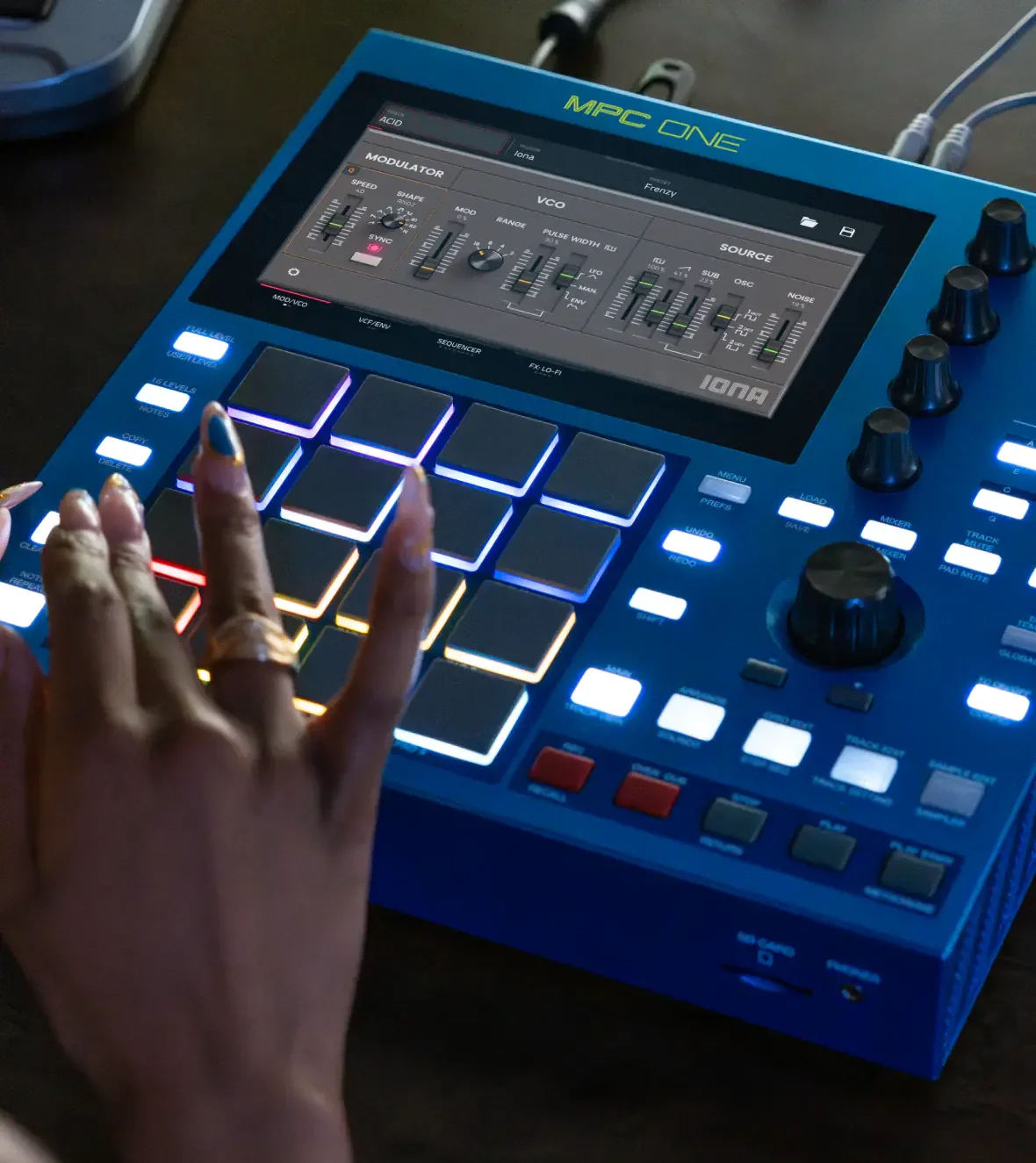
Akai is also unlocking additional development features across the MPC and Force platforms.
According to the announcement, these include:
- Support for unlimited plugins.
- Support for audio tracks.
- Mouse support.
- The ability to mirror the touch user interface (TUI) and audio directly to a desktop computer.
These improvements could have a significant impact on how people use their MPC systems.
The ability to mirror the MPC interface and audio to a computer is a workflow hack, interesting enough for content creators, educators and live streamers.
Imagine recording a tutorial or streaming a beatmaking session while displaying the MPC interface directly on your computer screen ?
This makes it easier to share your workflow with an audience without relying on a camera pointed at the hardware display.
For the Akai MPC community, this is another step towards making the platform more accessible to creators and developers.
4. MPC Sample firmware 1.4: More features and custom effects
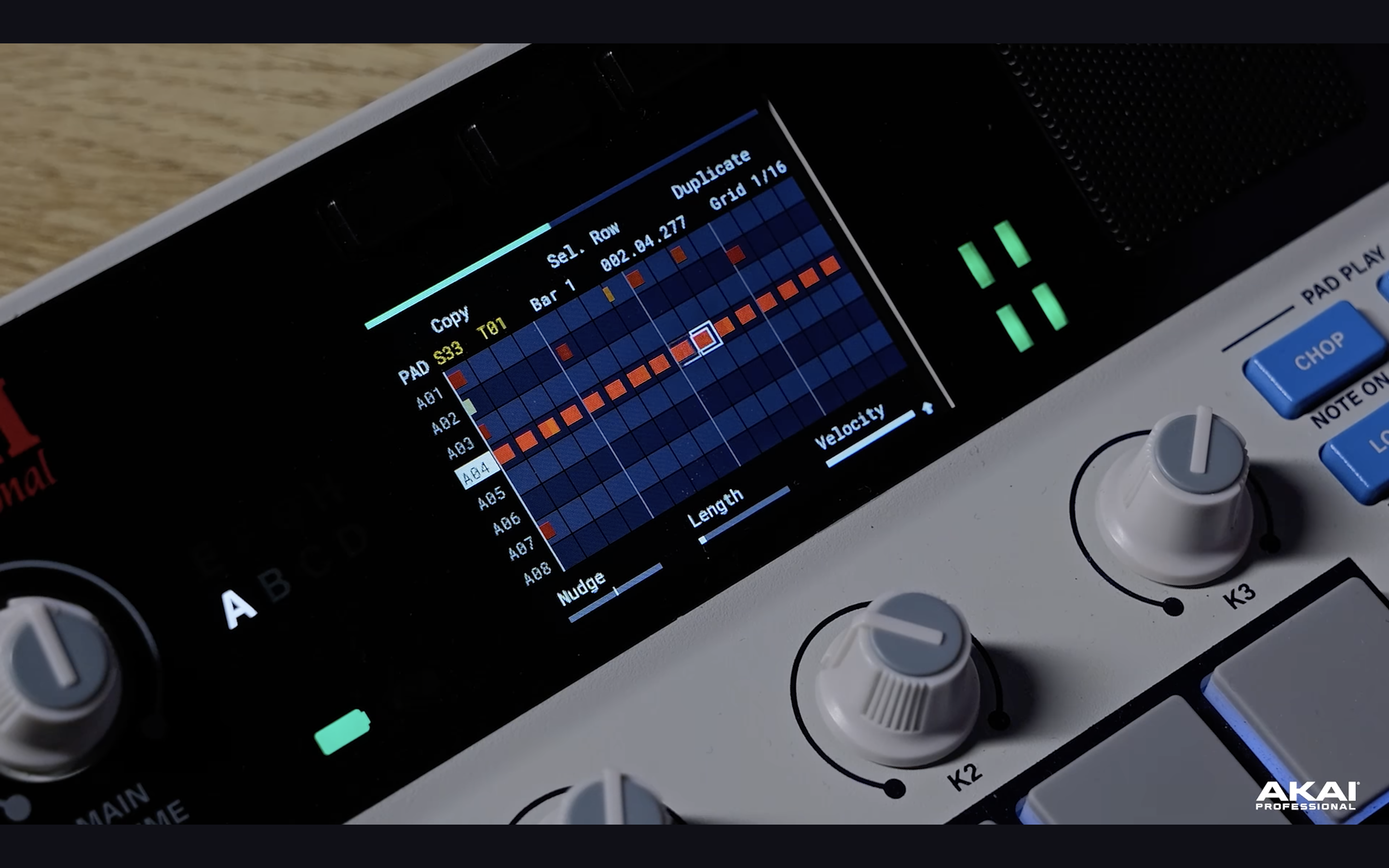
The MPC Sample is also getting some attention.
Akai announced firmware version 1.4, which will introduce several requested improvements.
One of the features specifically mentioned is Flatten Pad to Scales Mode.
The update will also introduce community development support, allowing users to create their own effects plugins using Akai's official SDK.
This is an important move because it brings custom plugin development to the MPC Sample as well.
For users who enjoy modifying and experimenting with effects, the possibilities could become much larger.
Akai is also continuing to work alongside community developers to support custom firmware development.
This is particularly interesting because it shows that the company recognises the value of community-driven innovation. Think SampQOL by Snare Bes (Music Producer and Developer)
5. The SP-1200 Sound Coming To The Akai MPC
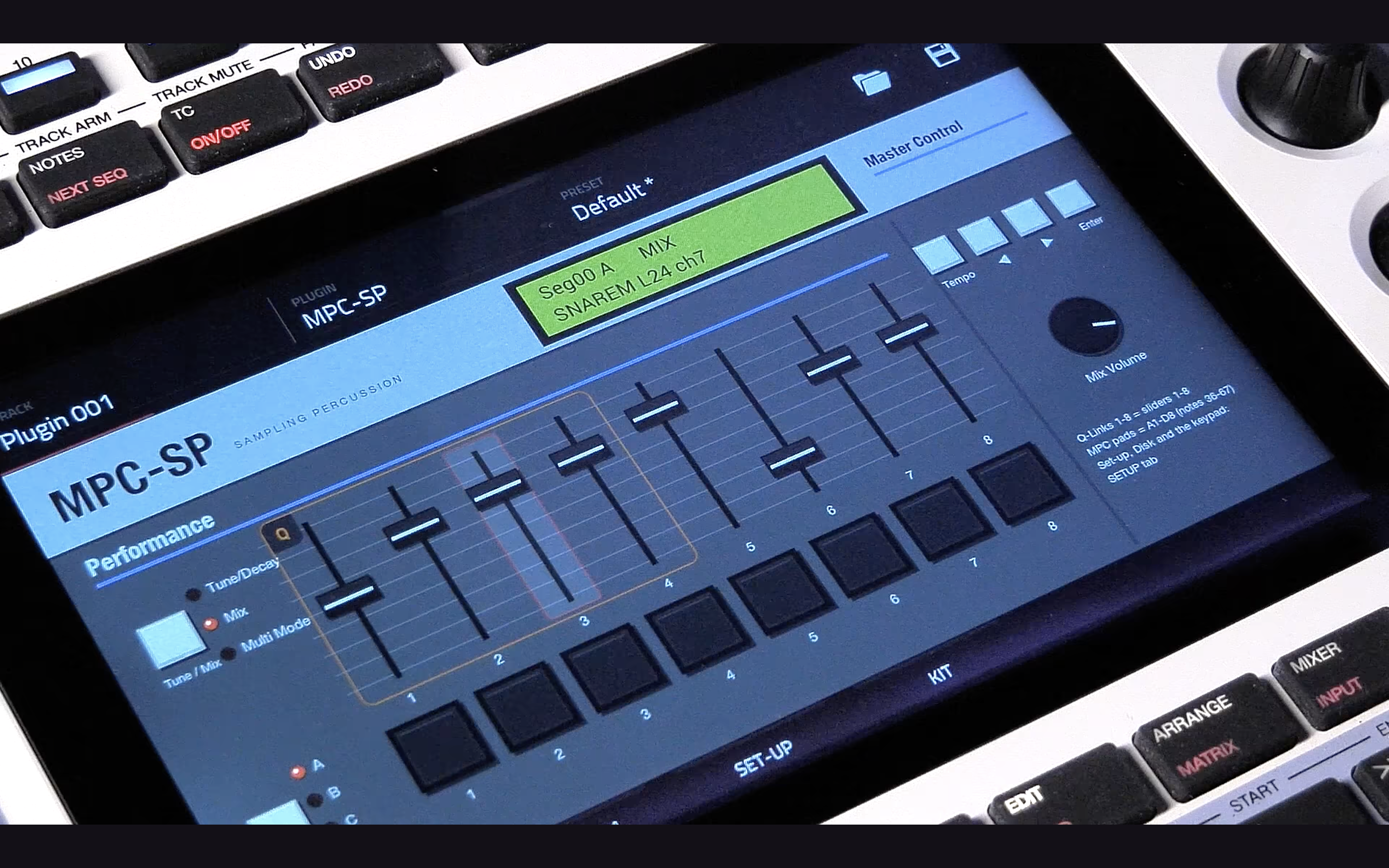
For fans of classic hip-hop production, there's announcement is big!
Akai is introducing a new SP-1200 plugin emulator for the MPC ecosystem.
Apparently bringing you the unmistakable sound and character of the original E-mu SP-1200 into the modern Akai MPC, highlighting its iconic bit-rate reduction and time-stretch characteristics.
For producers who love the sound of classic boom bap, dusty drums and vintage sampling, this could be a very interesting addition.
The SP-1200 played an important role in shaping the sound of hip-hop production, and having an emulation available directly inside the MPC means producers will be able to explore those characteristics without leaving their familiar workflow.
The plugin was announced as coming soon, with no specific release date given in the video.
6. AIR 4K Channel Strip: Classic British console character inside your MPC
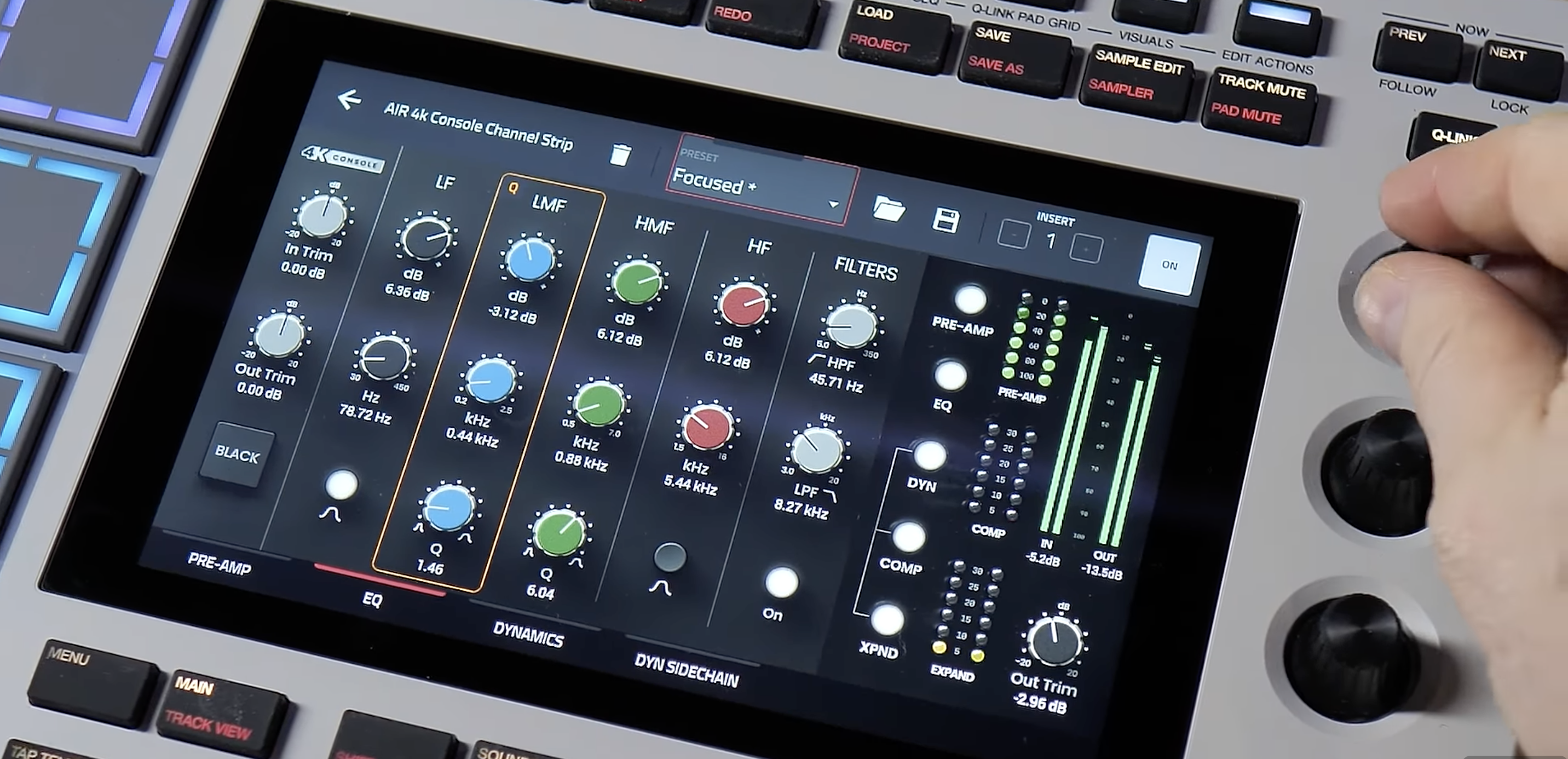
Another big plugin announcement is the new AIR 4K Channel Strip.
Inspired by the legendary SSL console sound associated with 90'S hip-hop production, this plugin is designed to bring more analogue-style character and processing options directly into the MPC.
According to Akai, it includes four processing sections:
- Channel Strip: For shaping and processing your signal.
- Dynamics: Including compressor, gate and expander.
- EQ: Featuring black and brown modeled circuitry.
- 4K Preamp: Designed to add character, drive and saturation.
For beatmakers, this could be a useful tool for adding colour and character to drums, samples, basslines and other sounds.
Rather than relying only on clean digital processing, the AIR 4K Channel Strip aims to bring some of that classic console-inspired character into the MPC environment.
7. Akai Creator Lab: Bringing the community closer to development
Maybe one of the most interesting announcements is Akai's plan to open its first Creator Lab space at NAMM 2027.
The idea is to create an environment where creators, developers, product modders and so-called vibe coders can explore new possibilities together.
Akai specifically mentions products such as the MPC Sample and Sample Keys as part of this creative environment.
Rather than development happening entirely behind closed doors, there could be more opportunities for creative users and independent developers to explore what the MPC platform can become.
For a community that has always enjoyed pushing hardware beyond its intended limits, this could be it.
Final thoughts: The future of MPC could be community-driven
The MPC has always had a special place in music production.
From the classic MPC60 and MPC3000 to modern machines such as the MPC Live, MPC One, MPC X and MPC XL, the platform has continued to evolve while keeping its sampling and beatmaking identity.
But this latest announcement points towards something bigger.
By opening the door to custom plugins and providing developers with an official SDK, Akai is giving the community more opportunities to shape the future of the MPC.
The combination of AI-assisted development, community creativity and official support could make the next chapter of MPC development particularly interesting.
We could see new instruments, effects and workflows that come directly from the people who use these machines every day.
And that's perhaps the most exciting part.
The future of the MPC won't just be about what Akai creates. It could also be about what the MPC community creates together.
What would you like to see developed for your MPC? A new synthesizer, vintage drum machine emulation, creative effects or something completely different?