


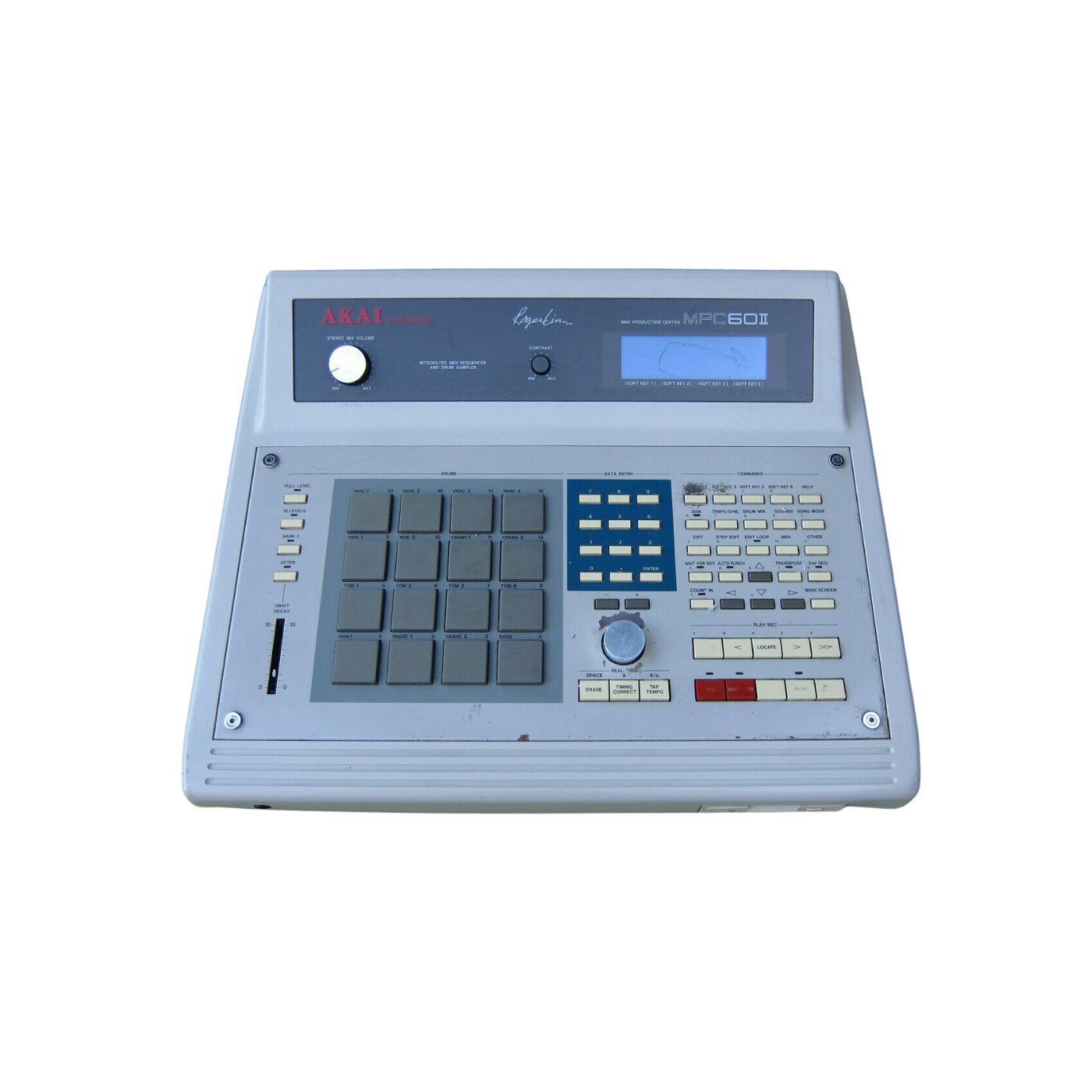
For decades the Akai Mpc60 has been one of the most influential pieces of hardware in music production.
Designed by Roger Linn, it helped define the sound of hip hop, soul sampling and beatmaking as we know it today. It's 12-it sample engine, limited memory and tactile workflow forced producers to make decisions that ultimately shaped entire genres.
Now with the release of the modern MPC Sample, a new question emerges:
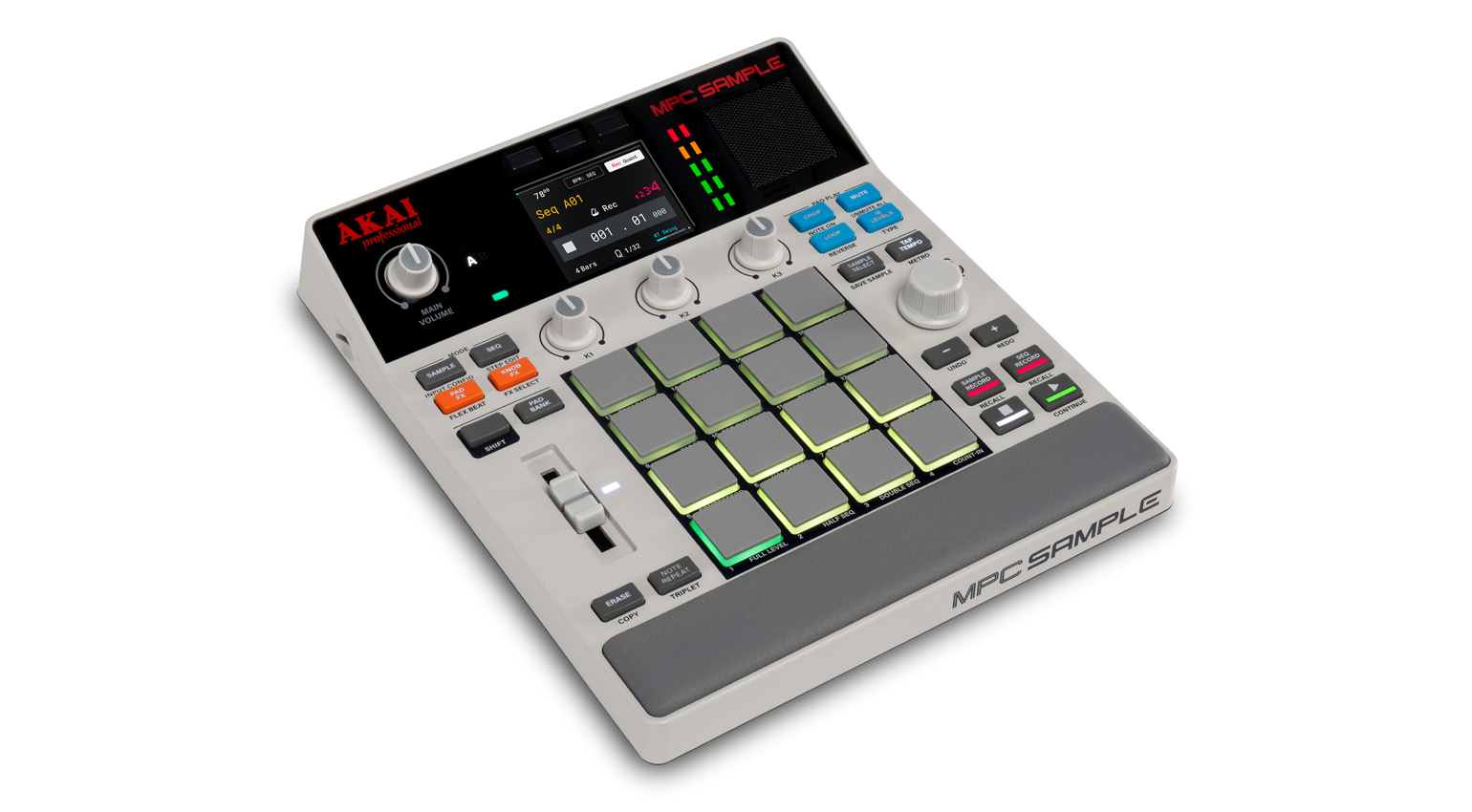
Can a simplified, portable sampler capture the same character, workflow and musicality that made the MPC60 legendary ?
For producers, beatmaker's and sample based creators, this isn't just about gear, it's about sound, feel and process.
The Legacy of the MPC60
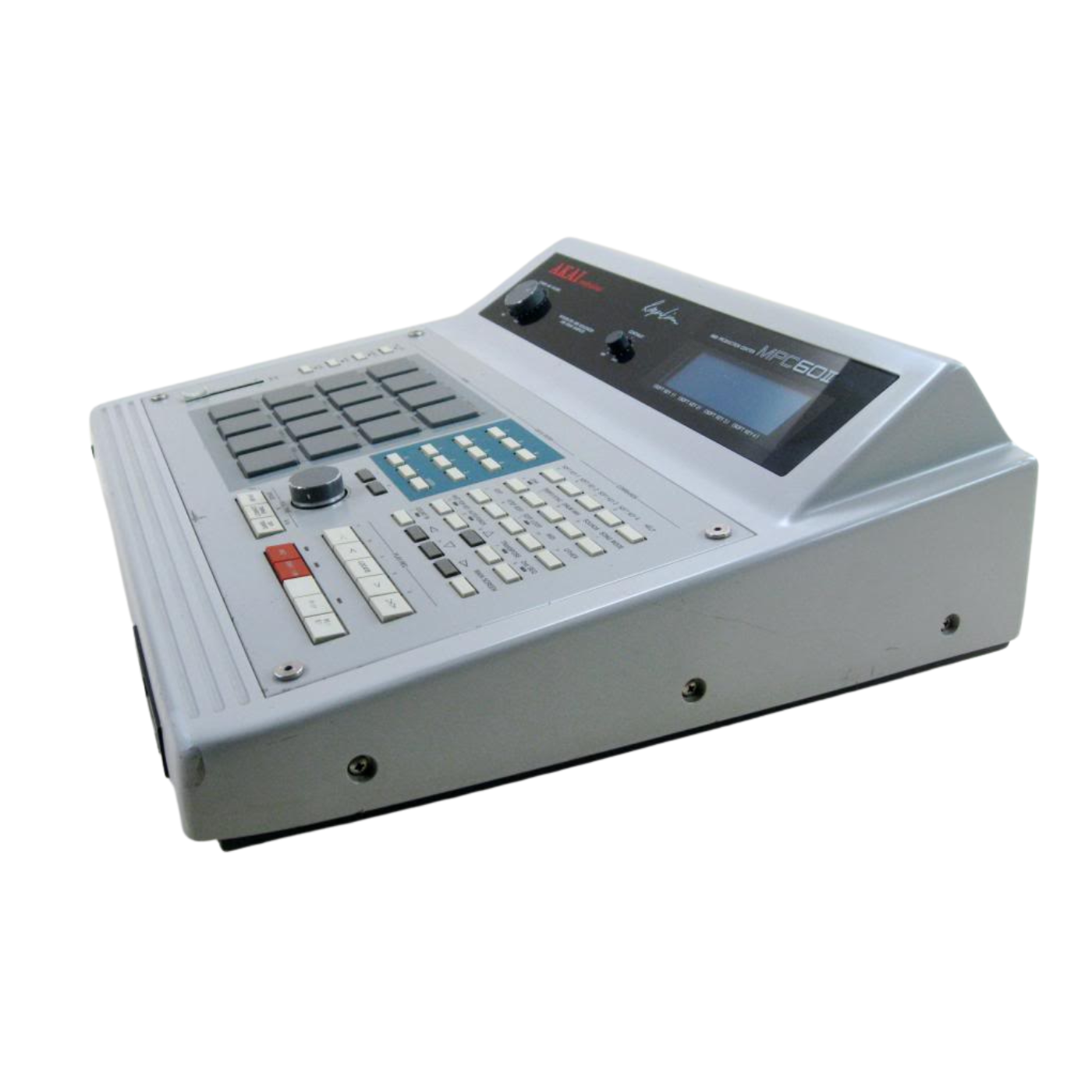
The Akai MPC60 wasn't powerful by todays standards but thats exactly why it mattered. Used by producers like DJ Premier and Pete Rock, to name a few, it became the backbone of classic hip hop production.
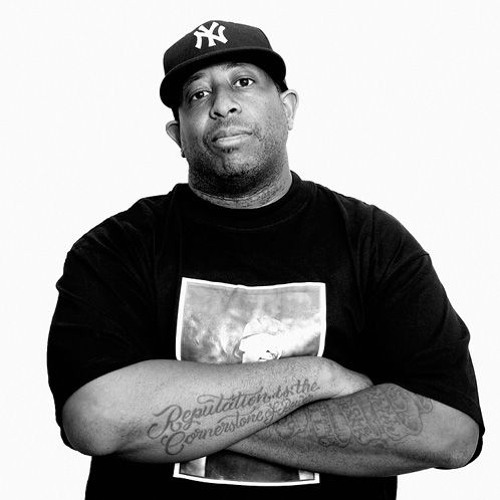
Dj Premier
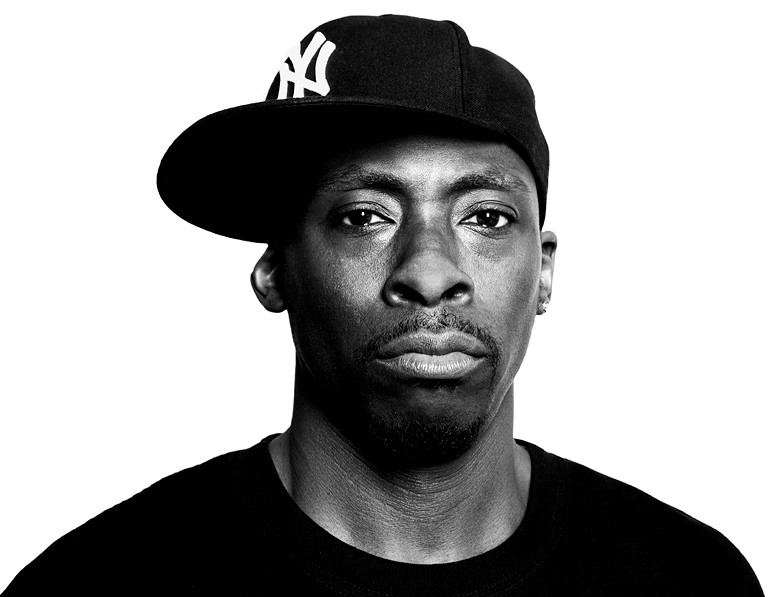
Pete Rock
What made it special:
12-bit sampling - natural grit and crunch
Limited memory - forced short, intentional samples
Hands on workflow - rhythm first production
Timing and swing - signature groove
The result ?
A sound that felt
Raw - Punchy & Human
MPC Sample vs MPC60: The real comparison

Instead of focusing on specs, lets break down the way producers actually experience gear:
Sound
Workflow
Creative Identity
MPC60
Sound: Grit vs Clean
12-bit convertors
Natural saturation and aliasing
Transients slightly softened
Lowe end feels thicker and glued
This is why drums from the MPC60 records hits differently
MPC Sample
Clean
Higher fidelity
NO inherent grit
The sound is neutral, what you put in is what you get.
Producer Insight:
The MPC60 gives you character automatically
The MPC Sample requires you to design it.
Workflow - Limitation vs Speed
MPC60 Workflow:
Limited sample time
No visual waveform editing
Slower chopping process
Forces:
Decision making
Repetion
Groove focus
MPC Sample workflow:
Fast and portable
Modern interface
Immediate sampling and playback
Encourages
Experimentation
Quick ideas
Flexibility
Producer Insight
The MPC60 slows you down in a good way.
The MPC Sample speeds everything up.
Key Takeaway:
One forces creativity through restriction.
The other offers freedom through simplicity.
Why the MPC60 Still Matters Today
Even in a world of plugins and unlimited tracks, producers still chase the MPC60 sound.
Why ?
Because it naturally produces:
Harmonic distortion
Transient shaping
Tonal glue
These are the exact qualities that make samples feel:
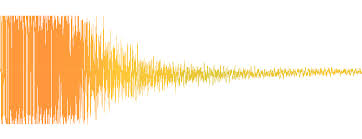
Warm, Cohesive and Finished.
This is why so many classic records and modern hip hop built from them still carry that sonic fingerprint.
How to get MPC60 Sound on Modern Gear
If your using a DAW
1:Bit Reduction
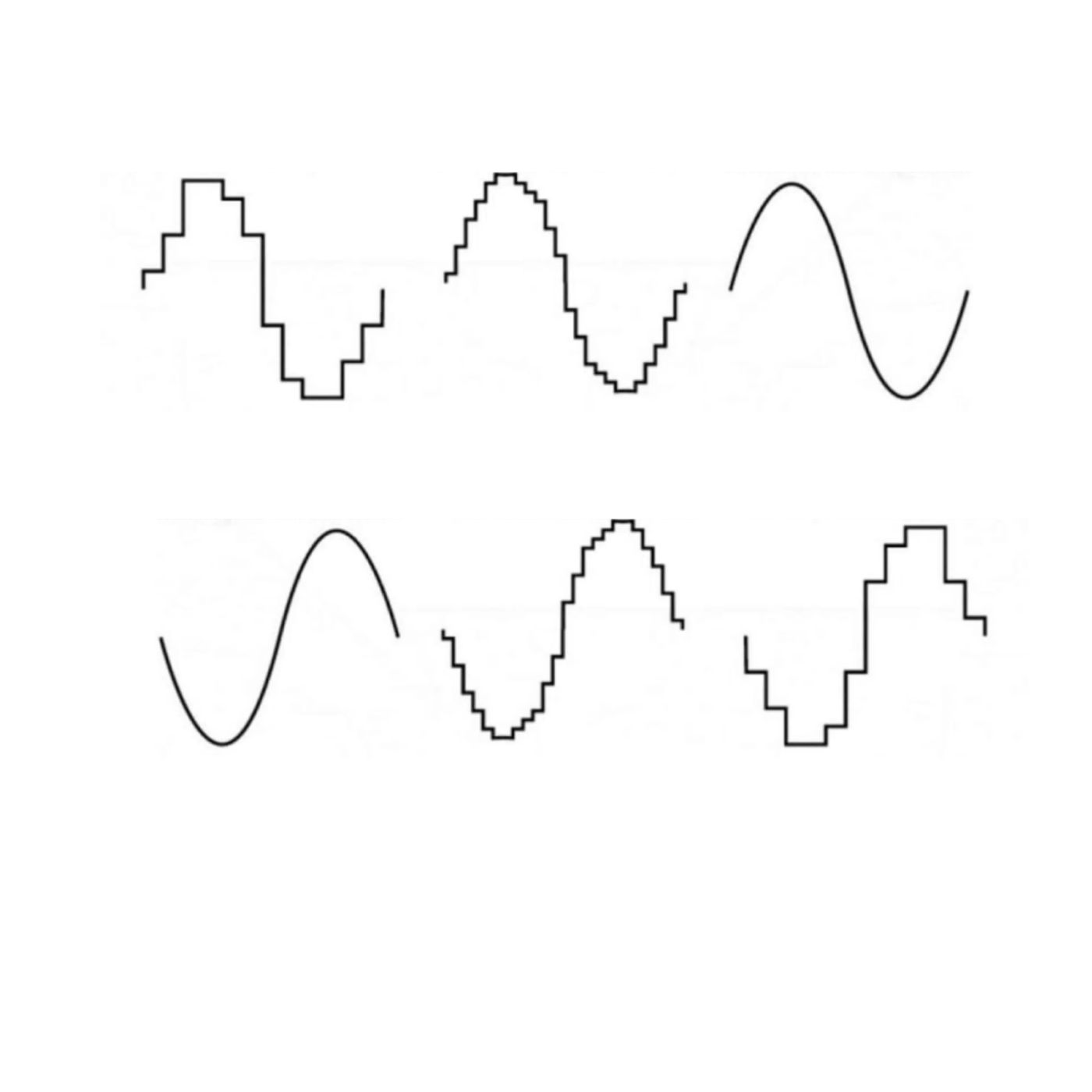
Lower bit depth to simulate 12-bit sampling, this introduces grit and softens transients.
2: Saturation
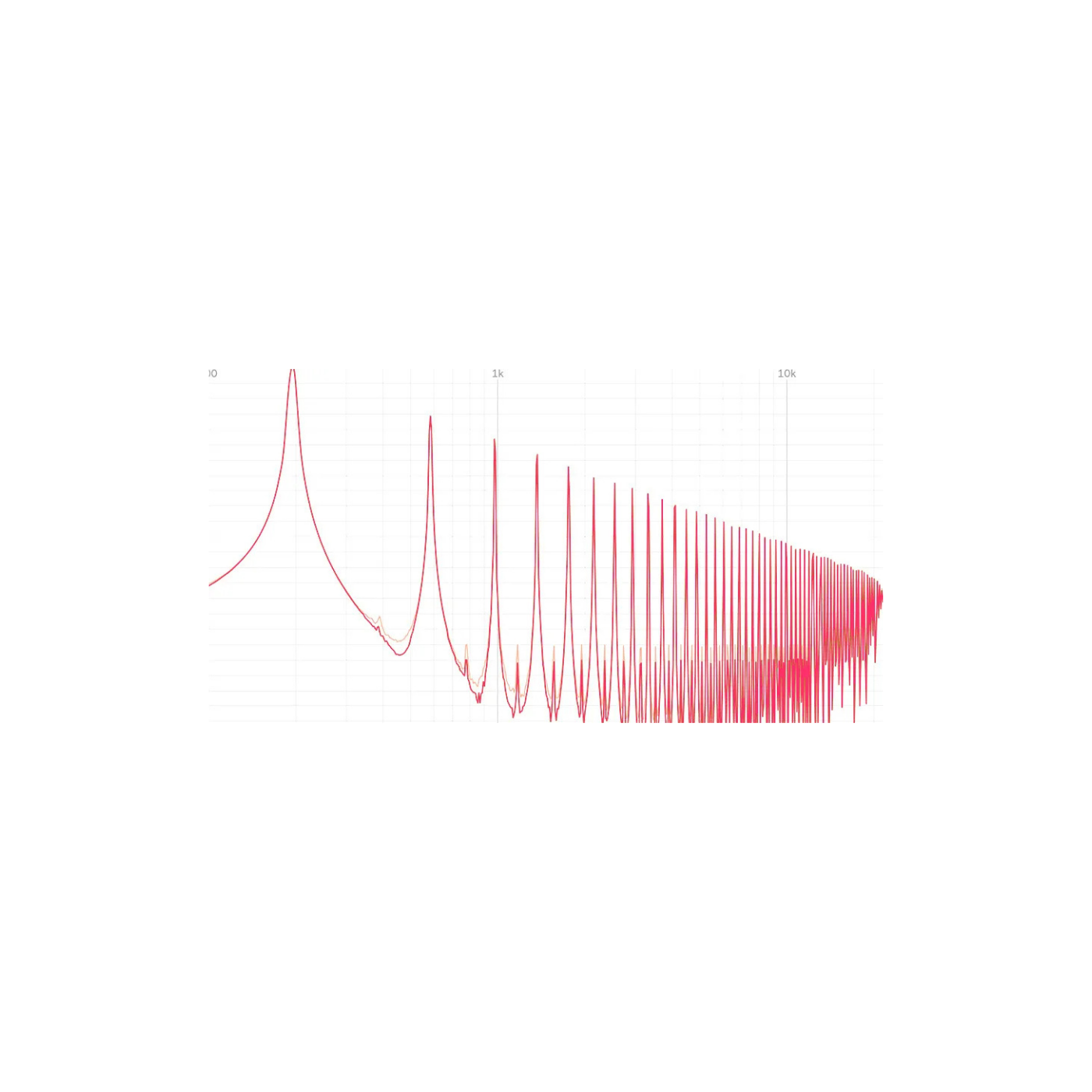
Add subtle saturation in stages:
Warm your signal by adding harmonics, this can thicken low end.
3: Pitching Samples

Classic technique: Pitch samples down, then ret-tune them, this creates a darker tone adding vintage texture.
4: Transient Shaping
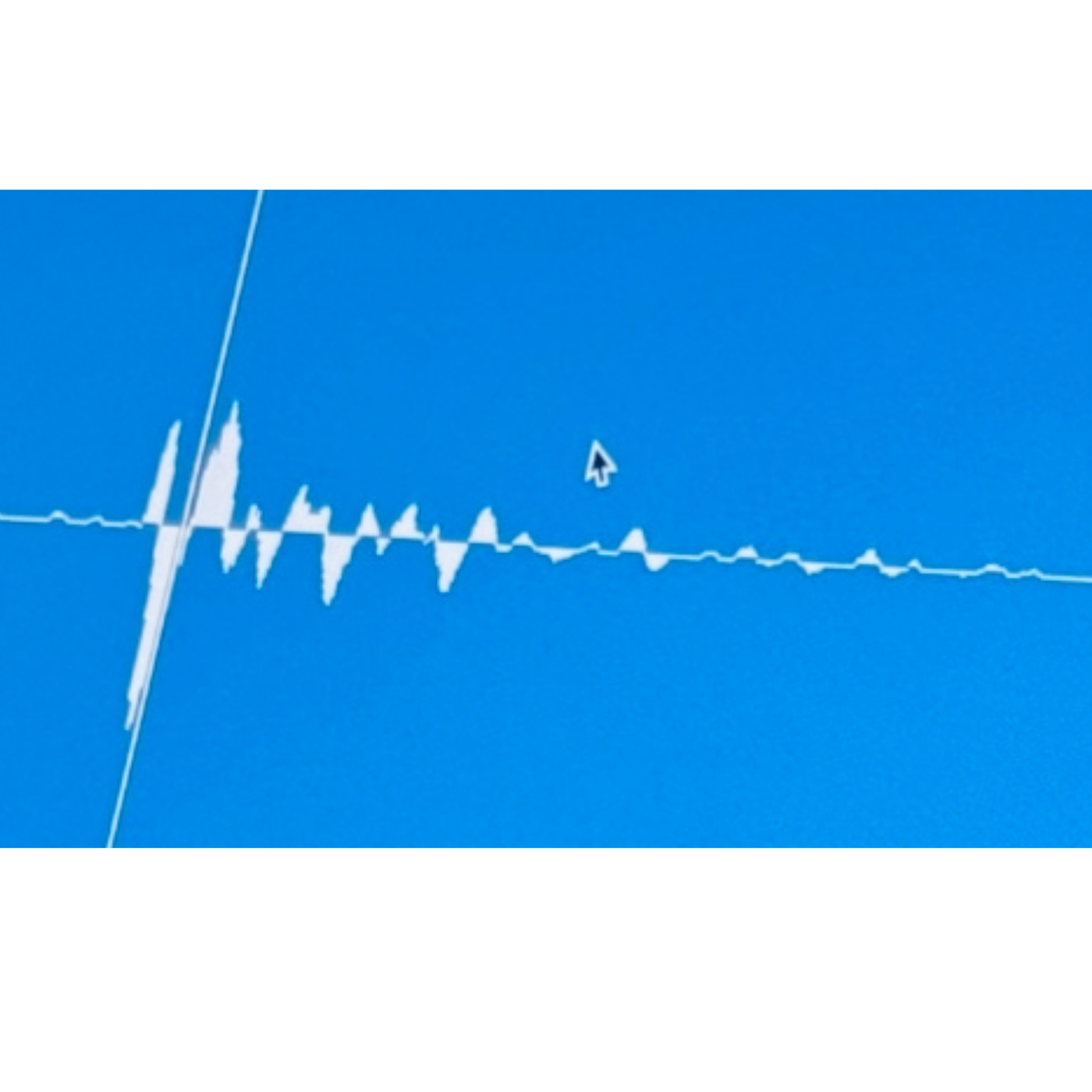
Soften attack slightly: Removes digital sharpness and mimics older convertors
Leave Imperfections
Avoid over cleaning:
Keep noise, keep slight timing shifts.
This is where the groove lives
Producer Takeaway
if your a modern producer or beatmaker:
Use the MPC Sample for speed and workflow and processing to create character and texture.
Think like a 90s producer:
Less editing
more feel
Intention choices
Want that MPC60 Feel Without The Hardware ?
If you're trying to recreate that gritty, soulful texture in your beats, using the right samples and sounds check out these sample packs we put together using the MPC60 and other iconic legendary samplers.
Final Thoughts
The Akai MPC60 didn't just define a sound, it defined a way of making music.
The MPC Sample represents a new approach. Faster, Simpler and more accessible. ts not just about what you use it's about how you think whilst using it.