


E-Digging: Unearthing Musical Gems in the Digital Crates
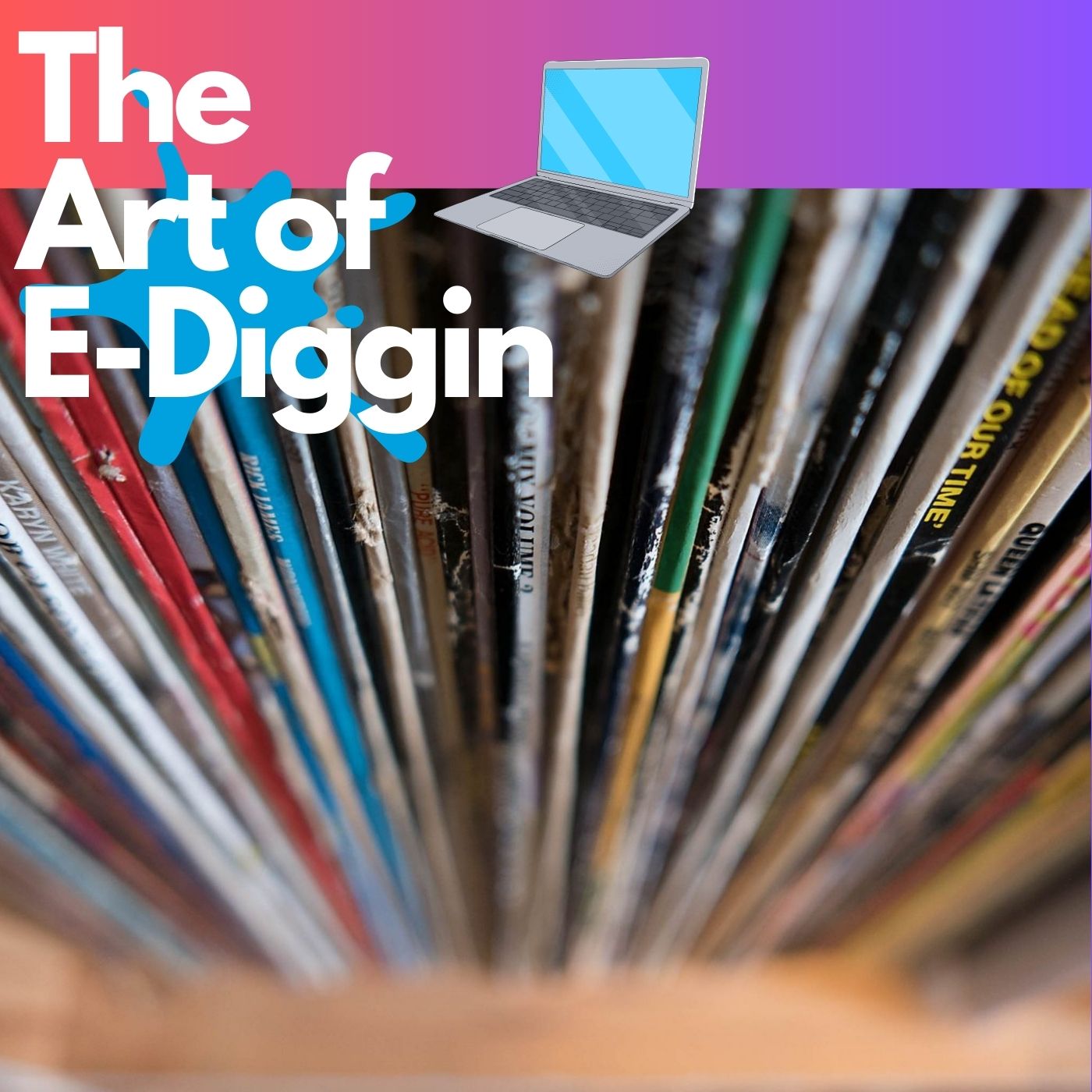
While crate digging in physical record stores remains a cherished tradition, the digital age has given rise to a new form of musical exploration known as e-digging. In this blog, we'll explore the world of e-digging, its evolution, and how it has transformed the way music enthusiasts and producers discover, sample, and appreciate music in the digital realm.
E-digging, also known as digital crate digging or online record hunting, involves the search for rare, obscure, and forgotten music in the vast digital archives available on the internet. Instead of flipping through physical records in dusty basements, e-diggers navigate virtual record stores, music forums, online auctions, and streaming platforms in pursuit of musical treasures. Here are some key aspects of e-digging:
1. Sample Source Paradise

For producers, e-digging has become an invaluable resource for discovering samples. Whether it's a forgotten jazz tune, a rare soul recording, or a vintage sound effect, the digital realm provides an expansive source of material to sample and transform into new compositions.
Diverse Sample Sources: E-digging offers access to a vast and diverse range of sample sources. Producers can explore genres, eras, and cultures that might have been previously unattainable through traditional crate digging. This diversity enriches the pool of potential samples, allowing for more creative and genre-blending compositions.
Rare and Obscure Gems: E-digging is a treasure trove of rare and obscure gems. Producers can uncover hidden musical treasures that have eluded mainstream recognition. These samples may have distinctive qualities that set them apart from commonly used sounds, adding uniqueness to their compositions.
Convenient Exploration: Traditional crate digging required physical presence at record shops, which could be limited by location and availability. E-digging eliminates these constraints, enabling producers to explore and sample music from around the world with the convenience of an internet connection. This convenience is a game-changer for those seeking rare and diverse samples.
Digital Crate Digging: E-digging mirrors the traditional experience of crate digging in the digital realm. Producers search through digital libraries, online record stores, and streaming platforms to uncover hidden gems, making it a modern-day equivalent of the cherished practice of flipping through vinyl records in a physical record shop.
2. Global Accessibility

E-digging erases geographical boundaries. You can explore music from different corners of the world without leaving your computer. The ability to access international music scenes and unearth hidden gems is a hallmark of e-digging.
E-digging provides a virtual passport to international music scenes. Whether you're interested in rare African funk, Japanese city pop, Brazilian bossa nova, or Indian classical music, you can dive into these genres with a few clicks. The ability to explore and appreciate the diversity of global music scenes enriches one's musical knowledge and broadens their artistic horizons.
3. Community and Knowledge Sharing

Online communities, forums, and social media groups dedicated to e-digging have emerged, fostering knowledge sharing, discussions, and collective discoveries. E-diggers often exchange tips, recommendations, and stories of their findings, creating a virtual community that celebrates music exploration.
E-digging communities are treasure troves of knowledge. Enthusiasts, ranging from novice explorers to seasoned collectors, share their insights, expertise, and discoveries. They discuss various aspects of e-digging, including techniques for finding rare tracks, the history of specific genres, and the stories behind obscure releases. As a result, these spaces serve as valuable learning platforms for music lovers.
Recommendations and Tips: E-diggers often exchange recommendations and tips for fruitful musical exploration. Whether it's suggesting lesser-known artists, highlighting overlooked record labels, or sharing strategies for finding hidden gems, these recommendations can be invaluable for newcomers and seasoned e-diggers alike. In this way, online communities act as a wellspring of inspiration and guidance.
Collective Discoveries: E-digging communities thrive on the spirit of collaboration. Members collectively unearth forgotten tracks, revive underappreciated genres, and shine a light on overlooked artists. The act of sharing these collective discoveries fosters a sense of camaraderie and accomplishment among community members.
Virtual Crate Digging: Online spaces allow music enthusiasts to simulate the experience of crate digging in a virtual environment. Members often post their latest finds, and others respond with comments, reactions, and shared excitement. This virtual crate digging experience recreates the thrill of unearthing rare vinyl or forgotten gems in a dusty record store.
4. Archival Efforts
E-digging has played a role in preserving and digitizing rare and endangered recordings. Archivists and enthusiasts work to digitize old records and tapes, ensuring that these musical treasures remain accessible and don't fade into obscurity.
Preservation of Historical Recordings: Many recordings from past decades exist only in analog formats such as vinyl records, cassette tapes, and reel-to-reel tapes. These physical formats are susceptible to wear, degradation, and deterioration over time. E-digging communities recognize the historical and cultural significance of these recordings and take on the crucial task of preserving them.
Digitization Process: Archivists and enthusiasts involved in e-digging embark on the process of digitizing analog recordings. This typically involves using specialized equipment like high-quality turntables, cassette decks, and analog-to-digital converters. They meticulously transfer the audio from the analog source to digital formats like WAV or FLAC files.
Restoration and Cleaning: In many cases, old recordings suffer from various issues, including clicks, pops, hiss, and other forms of audio artifacts. E-diggers often employ audio restoration and cleaning techniques to improve the quality of the digitized files. These processes aim to ensure that the resulting digital versions are as faithful to the original recordings as possible.
Metadata and Documentation: Archivists pay great attention to documenting the recordings they digitize. This includes creating detailed metadata that describes the origin of the recording, its historical context, the artists involved, and any other relevant information. This documentation is essential for cataloging and organizing the digitized collections.
Accessibility and Distribution: Once the analog recordings are successfully digitized, they become accessible in digital form. E-digging communities often share these digitized recordings with the public through online platforms, forums, or specialized websites. This increased accessibility ensures that these rare and endangered recordings are no longer confined to physical obscurity.
Preservation of Musical Heritage: The preservation of rare and endangered recordings is a vital part of preserving a region's or culture's musical heritage. These recordings often represent unique styles, genres, or cultural expressions that might have been overshadowed by mainstream music. E-digging helps to safeguard this cultural heritage for future generations.
5. Ethical Considerations

E-digging has raised ethical questions about copyright, sampling, and intellectual property rights. Producers and musicians must navigate the legal and creative aspects of using samples from digital sources.
Copyright Awareness: E-digging has made it easier for producers to discover and sample music from a wide array of digital sources. However, it has also heightened the awareness of copyright laws. Producers must be vigilant in understanding the copyright status of the samples they use, as unauthorized sampling can lead to legal repercussions.
Sample Clearance: Obtaining proper sample clearance from the original copyright holders is an ethical obligation for producers. This process involves securing legal permission and often paying royalties to the creators or rights holders of the sampled material. Failing to do so can result in legal disputes and potential financial penalties.
Fair Use Considerations: The concept of "fair use" under copyright law is a complex and often debated area. Producers must consider whether their use of a sample falls under fair use, which permits limited use of copyrighted material for purposes like commentary, criticism, or parody. Ethical questions arise when determining whether a sample's use meets these criteria.
Artistic Integrity: E-digging has brought to the forefront questions of artistic integrity. Some argue that extensive and unaltered sampling can compromise an artist's originality and creativity. Producers must strike a balance between paying homage to their influences and creating something unique.
Public Domain and Creative Commons: E-digging also introduces producers to materials available in the public domain or released under Creative Commons licenses. These resources can be used more freely, but it's essential to respect the specific terms and requirements set by the creators when using such content.
Attribution and Recognition: Ethical sampling practices include giving proper attribution to the original creators, especially when using samples that are publicly accessible or come with specific attribution requirements. Crediting the source material acknowledges and respects the original artists and their work.
6. Expansion of Musical Horizons

E-digging encourages listeners to explore genres and artists they might not have encountered through traditional means. It expands musical horizons and fosters a sense of discovery.
E-digging, as a practice of digitally exploring and collecting music, offers listeners a unique opportunity to broaden their musical horizons and discover genres and artists they might not have encountered through traditional means. This expansion of musical discovery is a hallmark of e-digging and has several notable implications:
Genre Exploration: E-digging empowers listeners to venture beyond their familiar musical genres. It allows them to explore diverse and niche genres that may not receive significant mainstream attention. As a result, listeners can uncover a vast array of musical styles, from obscure subgenres to experimental movements, opening doors to entirely new sonic experiences.
Cultural Discovery: E-digging is not confined by geographical boundaries. It enables listeners to immerse themselves in the music of different cultures and regions. Whether it's traditional folk music, world fusion, or contemporary global sounds, e-digging fosters cultural appreciation and awareness.
Historical Appreciation: E-digging often leads to the discovery of music from bygone eras. Listeners can explore vintage recordings, historical documents, and classic tracks that offer a glimpse into the musical and societal landscapes of the past. This historical context enhances their appreciation of music's evolution.
Underrepresented Artists: E-digging shines a light on underrepresented and independent artists. Many talented musicians and bands exist outside the mainstream spotlight. Through digital exploration, listeners can support and celebrate these lesser-known artists, contributing to a more diverse and inclusive music landscape.
The Process of E-Digging
E-digging shares similarities with traditional crate digging. It involves a methodical and patient search through digital archives, music platforms, and databases. E-diggers often use specific keywords, tags, or filters to narrow down their search, just like a record collector might focus on a particular genre or label.
Exploration Method: Just as traditional crate digging requires physical presence in record shops, e-digging involves navigating digital landscapes. E-diggers carefully explore online music libraries, streaming platforms, and databases to uncover hidden musical gems.
Focused Searches: E-diggers employ focused searches to discover specific genres, artists, or tracks. They use keywords, tags, and filters to narrow down their search, mirroring the way crate diggers might concentrate on a particular musical genre or label. This targeted approach helps them sift through the vast digital catalog effectively.
Patience and Persistence: E-digging, like crate digging, demands patience and persistence. E-diggers recognize that finding remarkable music often requires time and dedication. They might dig deep into the archives of streaming platforms or hunt for long-forgotten tracks in obscure corners of the internet.
Discovery Process: The thrill of discovery is a common thread between e-digging and traditional crate digging. E-diggers experience the joy of stumbling upon rare tracks, obscure releases, or forgotten classics, much like crate diggers feel the rush of finding hidden treasures in a stack of vinyl records.
Collection Building: E-digging, like crate digging, can be driven by a desire to build a collection. E-diggers seek to curate and collect digital music that resonates with them, similar to how crate diggers amass physical records that hold personal or artistic significance.
Archival Efforts: Some e-diggers are passionate about preserving music history and culture. They may invest time in digitizing and cataloging rare tracks, much like archivist crate diggers who aim to ensure the survival of historical recordings.
CONCLUSION
E-digging has undeniably transformed the way music is discovered and appreciated. It's a reflection of the digital age's capacity to democratize access to music and make the entire world of recorded sound available at our fingertips.
Whether you're a producer looking for that perfect sample or a music enthusiast exploring the endless musical realms of the internet, e-digging offers an exciting and boundless journey. The digital crates are vast, the musical gems are numerous, and the adventure is ongoing. E-digging reminds us that the thrill of discovery and the magic of music are alive and well in the digital age. Happy e-digging!