


Sampling and the Law:
The Music Producers Guide to Staying Creative & Legal featuring a Free Download sampling legal guide.

What is Sampling in Music ?

Sampling is the process of taking a portion of a sound recording, a drum break, vocal line or melody and reusising it in a new musical performance. Its a cornerstone of hip hop's foundation, electronic and experimental music, and has powered countless hits from Kanye West, J Dilla Daft Punk and so much more.
With Creativity Comes Great Responsibility!
Sampling music without understanding the legal landscape can lead to serious consequences, takedowns, lost royalties or even lawsuits.
Sampling Legality, What You Need To Know:

When you sample a song, you're potentially infringing on two separate copyrights:
The Master Recording
The actual sound recording (Usually owned by the record label or artist.)
The Musical Composition
The underlying melody, lyrics and structure (Owned by songwriters or publishers)
To legally sample a track, you need permission (aka “Clearance” from both rights holders.
✅ Sampling Do's:
Do use royalty free sample packs!
Sample packs from trusted sources are safe to use, They're often licensed for full commercial usebut always read the fine print.
Do Clear Samples For Commercial Releases.
If you're using a recognisable sample from a copyrighted song, you need clearance before song distribution.
There are many services that can offer this service that are a google search away.
Consider Replaying Or Interpolating
Instead of sampling the original recording, replay the part yourself or hire a musician, You'll only need clearance for the composition not the master recording.
keep Records Of Your Source.
Keep receipts, license agreements, or screenshots of royalty free sample terms. It protects you in case of disputes later.
❌ Sampling Dont's:

❌ Don't assume short equals safe
Even a 1 second sample can be protected. There;s no minimum length under copyright law that makes a sample ok to use without permission.
❌ Don't use sample from youtube without clearance.
Just because you found a loop on youtube doesn't make it legal to use. Ripping audio software without permission is a major legal risk.
❌ Don't Skip the Fine Print.
Not all sample packs are royalty free. Some require attribution or have limitations on commercial use. Always read the license.
❌ Don't wait until its too late.
Getting a takedown notice after your song gains traction is painful. Clear your samples before uploading to spotify, Apple music or submitting to labels.
Real World Examples:

Del La Soul's debut album was famously pulled from digital stores for uncleared samples.
Biz Markie was sued in the 90s for using a Gilbert O"Sullivan sample and lost settling a legeal precedent for sampling lawsuits.
Bottom line:
Just because its common in music doesn't mean its legally safe.
How to Sample Music Legally:
✅ Use Royalty free or original samples
✅ Get written permission and clearance from rights holders
✅ Use interploation instead of direct audio when possible
✅Keep documentation of all licenses and permissions
✅Consult a music attorney for big releases.
Sample Smart:
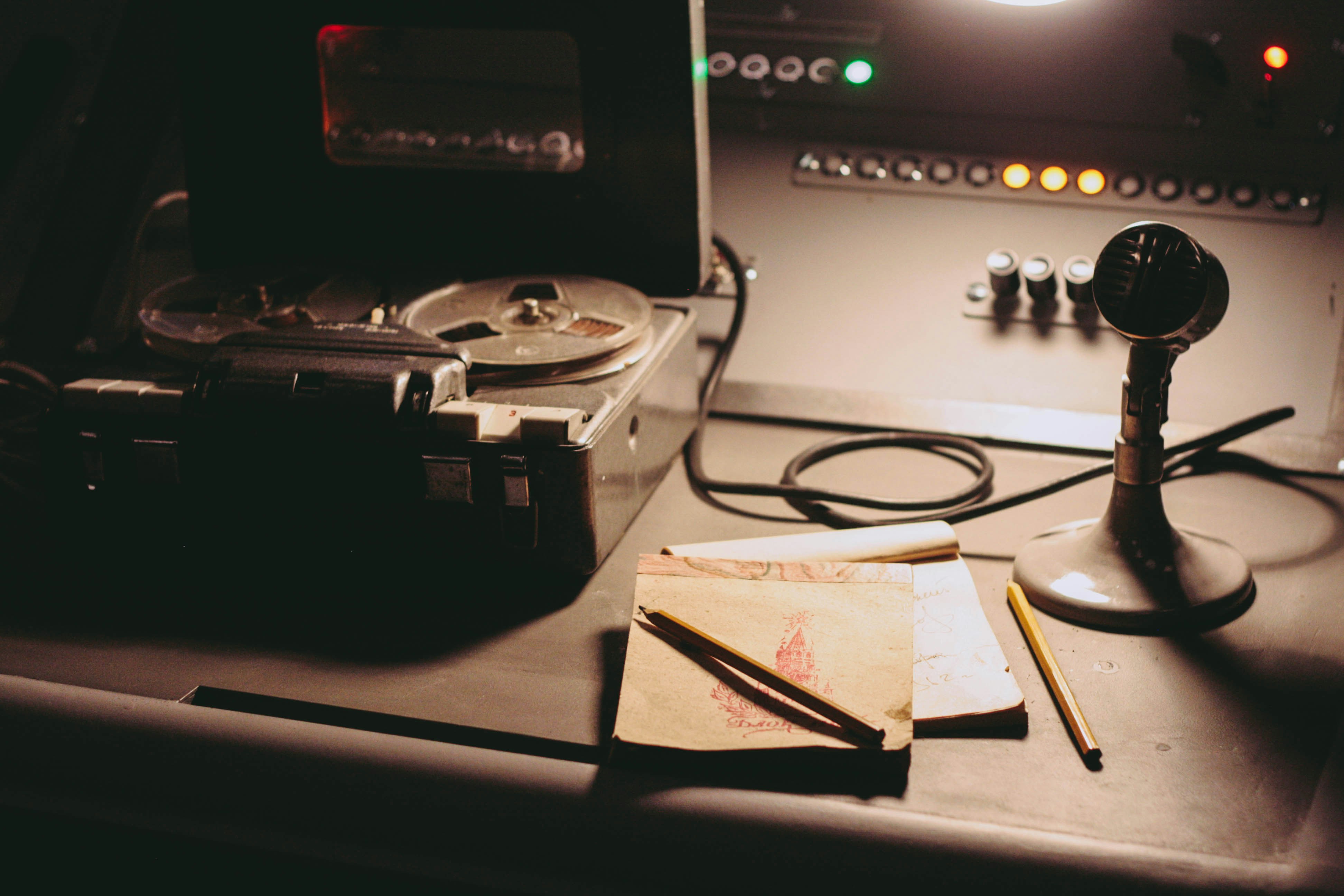
Sampling is a powerful tool for producers but its a legal minefield if your not informed.
You don't need to stop sampling, Just do it the right way:
With so many royalty free tools, replay options and professional clearance services, its never been easier to stay creative without breaking the law.